Carpet vs hard flooring: an honest room-by-room comparison
The short answer
Carpet wins on warmth, softness, quiet and grip, which is why it suits bedrooms, stairs and family rooms. Hard floors such as hardwood, vinyl and laminate win on spills, wet areas and quick cleaning, so they suit kitchens, entries and bathrooms. Many homes mix both, room by room, often with rugs on the hard floors.
- Warm and soft underfoot
- Quieter footfall
- Grip for bare feet
- Wiping up spills
- Wet rooms
- Needs regular cleaning
Filled dot shows which side usually has the edge; both for a tie.
What is the real difference between carpet and hard flooring?
Carpet is a soft textile floor that absorbs sound and impact and holds soil in its pile until it is vacuumed. Hard floors, whether hardwood, engineered wood, laminate, vinyl or tile, are rigid surfaces that shrug off spills and sweep clean but are louder, colder and harder underfoot. Neither is better everywhere; each has rooms it suits.
The market reflects that split. Floor & Decor, for example, describes itself as a specialist in hard surface flooring (tile, wood, stone, laminate and vinyl), while home centres and flooring stores sell both. If you are comparing, get quotes for both floors in the same rooms.
Is carpet warmer and quieter than hardwood?
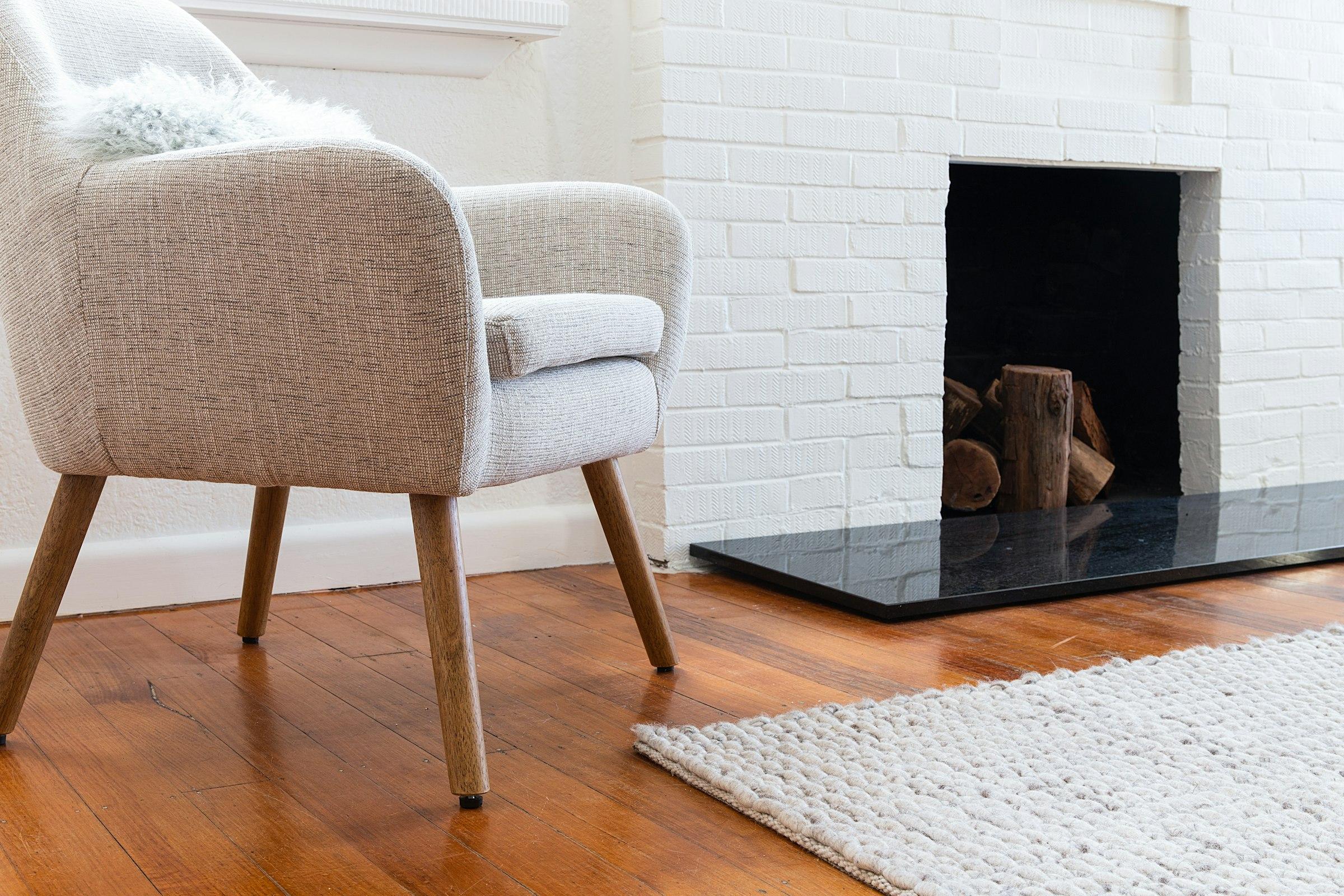
Yes. Carpet and its cushion insulate the floor surface, so it feels warmer to bare feet than hardwood or tile, and the pile absorbs footfall and airborne noise, so rooms sound softer and rooms below hear less. Carpet also gives a more forgiving surface for children playing on the floor and for anyone who might slip.
Hard floors can get close with large rugs and good underlayment, but the effect is limited to where the rugs lie. Upstairs bedrooms and home offices above living space are where carpet’s quiet is most noticed.
Is carpet or hard flooring easier to keep clean?
Hard floors are easier for spills and visible mess: wipe and done. Carpet takes more routine care: the Carpet and Rug Institute recommends vacuuming at least twice a week and professional cleaning about every 12 to 18 months. In return, carpet holds dust in its pile until it is removed, rather than letting it drift across the surface.
Either way, cleaning tools matter. CRI’s Seal of Approval programme tests vacuums for soil removal, dust containment and how they treat the carpet. Our carpet care guide covers the routine, and carpet and indoor air covers the new-carpet smell.
Does carpet or hardwood last longer?
Solid hardwood generally outlasts carpet, because it can be sanded and refinished several times, while carpet is replaced when it wears or flattens. How long carpet lasts depends heavily on fibre, density, twist, cushion, traffic and care, so a well-chosen, well-kept carpet in a bedroom can last many years longer than a cheap one in a hallway.
Is carpet cheaper than hardwood flooring?
Usually, yes: carpet and cushion typically cost less to buy and install per square foot than solid hardwood, and installation is faster. The ranges overlap, though, with premium wool carpet costing more than budget laminate or vinyl. Compare total installed quotes for the same rooms, including prep, removal and trims.
We don’t publish price ranges we can’t verify and date. Our guide to carpet installation cost explains what drives a carpet quote line by line.
Which rooms should have carpet and which hard floors?
Put carpet where comfort and quiet matter most and spills are rare: bedrooms, stairs, family rooms, dens and upstairs offices. Put hard floors where water, grit and food arrive: kitchens, bathrooms, entries, mudrooms and laundry rooms. Dining rooms and basements can go either way depending on your household.
| Room | Usually | Why |
|---|---|---|
| Bedrooms | Carpet | Warm, quiet, light traffic |
| Stairs | Carpet or runner | Grip and sound |
| Family room | Either | Comfort vs spills |
| Dining room | Either | Food spills; rug under table |
| Basement | Depends on moisture | See basement guide |
| Kitchen, bath, entry | Hard floor | Water and grit |
Basements have their own rules: basement carpet.
Frequently asked questions
Carpet usually wins in bedrooms. It is warm and soft for bare feet first thing in the morning, it quietens footsteps for rooms below, and bedrooms see light traffic, so a softer cut pile lasts well. Hardwood with a large rug is the alternative if you prefer a hard floor and want an easier clean.
Not necessarily. Carpet holds dust and allergens in its pile until they are vacuumed away, while hard floors let fine dust stay on the surface where it can be stirred up. Either floor needs regular cleaning. With carpet, use a vacuum certified under CRI's Seal of Approval programme and vacuum at least twice a week.
There is no single answer, and we have not found reliable data to quote. Buyer taste varies by region, price point and room. Worn or stained carpet hurts a sale; fresh, neutral carpet in bedrooms is rarely a problem. Ask a local real estate agent what buyers in your area expect.
Carpet is usually cheaper to buy and install than solid hardwood, though prices overlap at the top and bottom of each range. Compare total installed cost for your rooms, including padding or underlayment, floor prep and removal, and think about lifespan: hardwood can be refinished, while carpet is replaced.
Sources
- 01Selecting the Right CarpetThe Carpet and Rug Institute (CRI)
- 02Frequently Asked QuestionsThe Carpet and Rug Institute (CRI)
- 03Seal of Approval ProgramThe Carpet and Rug Institute (CRI)
- 04About usFloor & Decor
Checked November 26, 2026. Products, warranties and store services change, so confirm anything important with the manufacturer or retailer. We are independent and not paid by any company named. Read the disclaimer or how we check facts.